Published: July 2026
Small business marketing ideas can be easy to find, but choosing the strategies that genuinely attract customers and support long-term growth is much harder. In 2026, small businesses are competing for attention across search engines, social media, email, local listings, and increasingly crowded digital platforms.
The most effective marketing doesn’t come from trying every new trend. It comes from understanding your customers, building trust, and focusing on activities that generate measurable results over time.
Whether you’re launching a new business or looking to improve an existing one, these marketing ideas can help you increase visibility, attract qualified customers, and build sustainable growth throughout 2026.
Why Small Business Marketing Ideas Matter More Than Ever in 2026
Marketing is no longer limited to advertising. Every interaction a customer has with your business influences their decision to buy, recommend your company, or return in the future.
Your website, Google Business Profile, online reviews, blog content, social media presence, and even the speed at which your pages load all contribute to how customers perceive your brand.
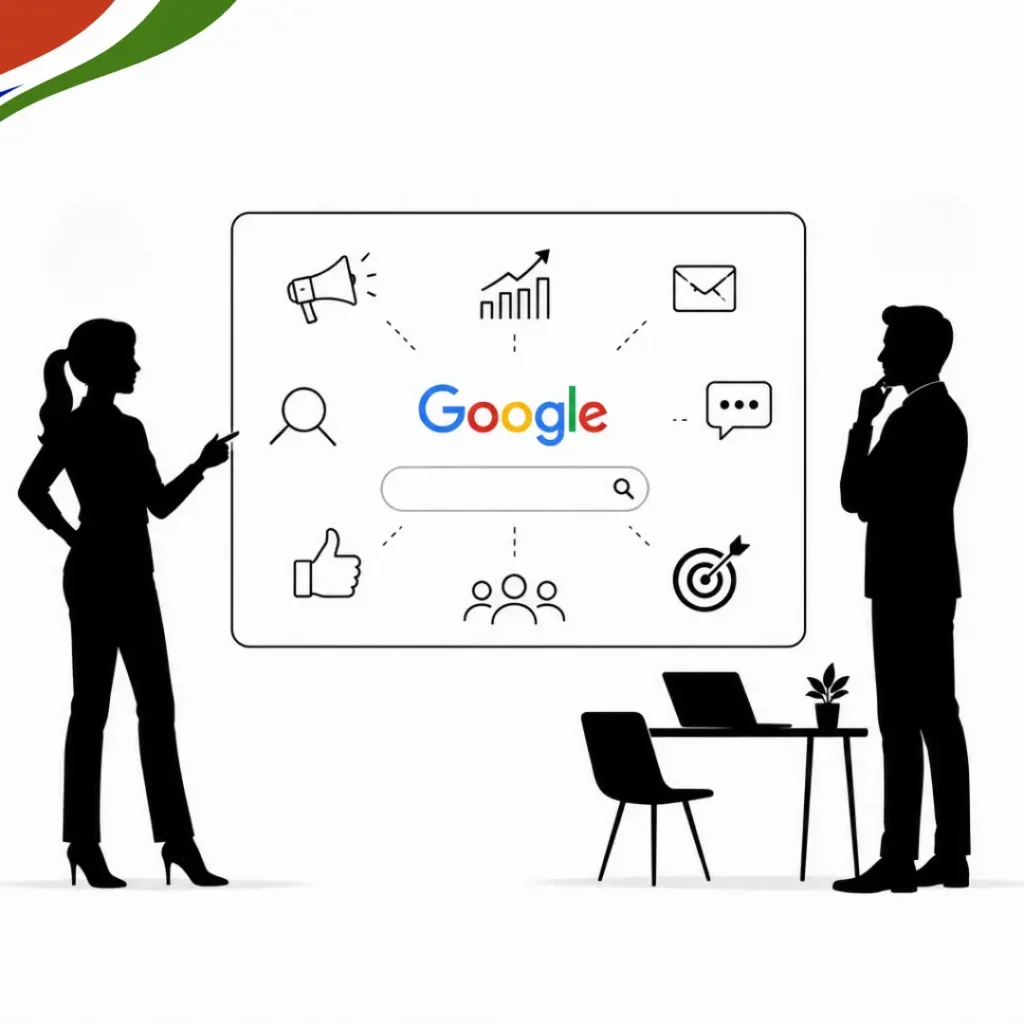
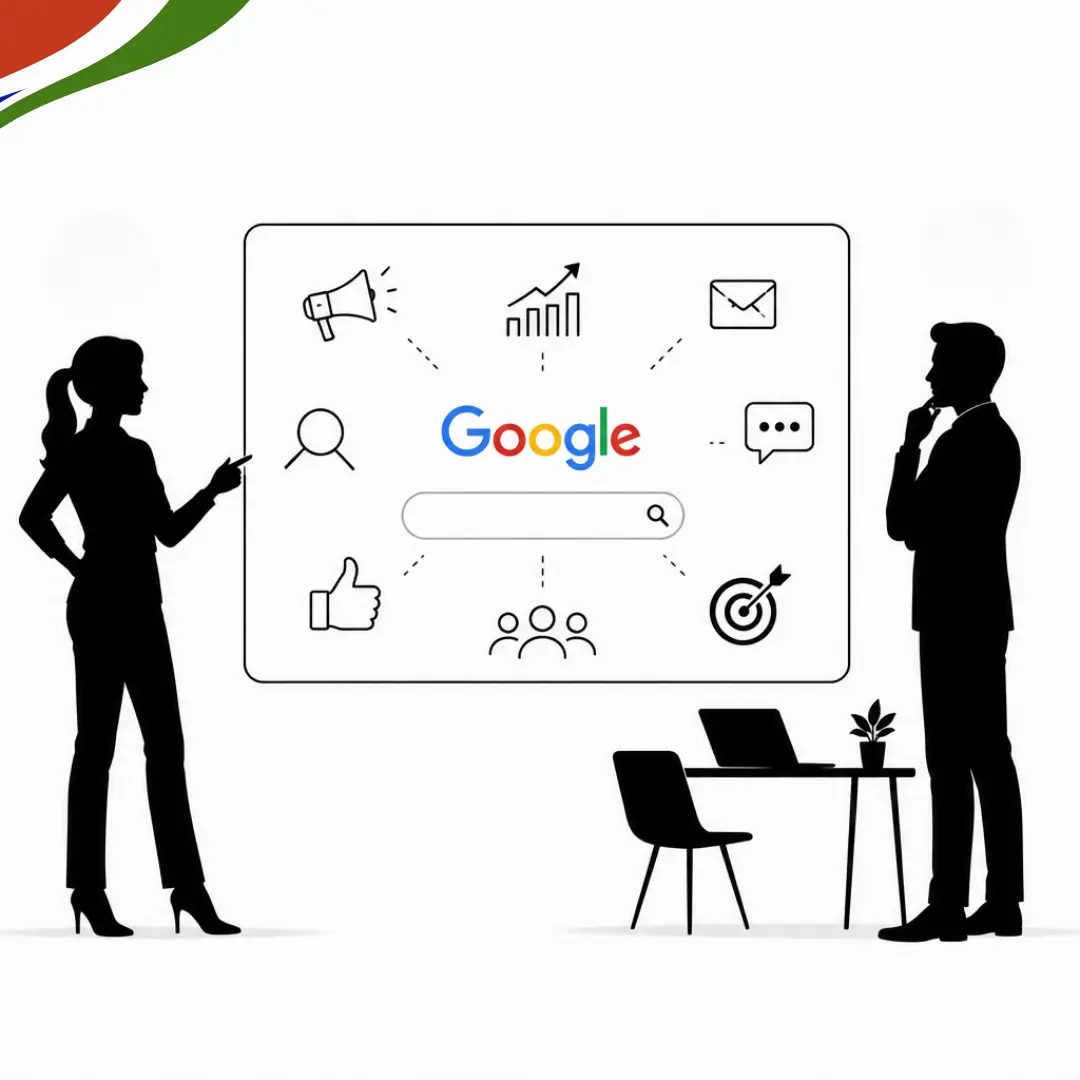
Instead of relying on a single marketing channel, successful small businesses build an ecosystem where each channel supports the others. A potential customer might discover your business through Google Search, visit your website, read one of your blog articles, check your reviews, and finally contact you days later. Every touchpoint matters.
The most effective small business marketing ideas do not operate as isolated tactics. They work together to move customers from awareness and consideration to trust, purchase, and long-term loyalty.
The following marketing ideas are designed to work together rather than independently.
1. Optimize Your Google Business Profile
For businesses that serve local customers, few marketing activities offer a better return than maintaining a complete and active Google Business Profile.
When someone searches for services near them, Google often displays local businesses before traditional website results. Appearing in this section can dramatically increase calls, website visits, and direction requests.
An optimized profile should include:
- Accurate business information
- High-quality photos
- Updated business hours
- Service descriptions
- Regular posts
- Customer reviews
- Frequently Asked Questions
Many businesses create their profile once and never update it again. Treat it as a living marketing asset rather than a directory listing.
If your business is struggling to appear in local searches, you may also want to read Why Your Business Isn’t Showing Up on Google: 10 Reasons and How to Fix Them, where we explain the most common visibility issues and how to solve them.
2. Improve Your Website Experience
Your website is often the first impression customers have of your business. If it looks outdated, loads slowly, or is difficult to navigate, visitors may leave before learning what you offer.
A successful small business website should answer three questions within the first few seconds:
- What does this business do?
- Who does it help?
- Why should I choose it?
Simple improvements can significantly increase conversions, including:
- Faster loading speed
- Mobile-friendly design
- Clear navigation
- Strong calls to action
- Professional branding
- Easy contact options
Instead of constantly redesigning your website, focus on making it easier for visitors to find information and take action.
You can also explore our guide on 7 Small Business Website Mistakes That Destroy Trust to learn which common issues discourage potential customers before they even contact your business.
3. Invest in Local SEO
Search Engine Optimization remains one of the most cost-effective long-term marketing strategies for small businesses.
Unlike paid advertising, SEO continues generating traffic long after content is published.
Local SEO focuses specifically on helping nearby customers discover your business. This includes:
- Optimizing location-based pages
- Maintaining consistent business information across directories
- Building local citations
- Creating valuable local content
- Earning customer reviews
- Using location-specific keywords naturally
Many business owners expect immediate results from SEO, but successful optimization compounds over time. Businesses that consistently publish helpful content often build authority that continues producing leads for years.
Google recommends creating content primarily for people rather than search engines, making quality and relevance more important than keyword repetition.
4. Create Helpful Blog Content
Publishing educational content remains one of the most effective ways to build authority while improving search visibility.
Instead of writing about your business, write about your customers’ questions.
For example, if you own a landscaping company, topics such as lawn maintenance, irrigation tips, drought-resistant plants, or seasonal care are likely to attract potential customers searching for solutions.
Helpful content accomplishes several goals at once:
- Improves SEO
- Builds trust
- Demonstrates expertise
- Generates long-term organic traffic
- Supports social media
- Provides content for email marketing
Quality matters far more than publishing frequently. One comprehensive article that genuinely helps readers often performs better than several short articles written only to target keywords.
5. Use AI to Work Smarter, Not Harder
Artificial intelligence has become one of the biggest productivity advantages for small businesses.
AI should not replace human creativity or customer relationships. Instead, it should automate repetitive tasks and allow business owners to spend more time on strategy and customer service.
Practical applications include:
- Brainstorming content ideas
- Writing first drafts
- Summarizing meeting notes
- Organizing research
- Creating marketing outlines
- Responding to common customer inquiries
- Improving productivity
Businesses that use AI strategically often produce more content, respond faster to customers, and reduce administrative work without increasing headcount.
If you’re just getting started, our article 3 AI Tools for Small Business Owners That Actually Save Time in 2026 compares practical tools that can immediately improve day-to-day operations without requiring technical expertise.
6. Build an Email List Before You Need One
Many small businesses make the mistake of focusing only on attracting new visitors while overlooking one of their most valuable marketing assets: an email list.
Unlike social media platforms, where algorithms determine how many people see your content, your email list gives you direct access to customers who have already shown interest in your business. That makes email one of the highest-return marketing channels available, especially for businesses that want to build long-term relationships instead of relying on one-time purchases.
You don’t need thousands of subscribers to see results. A smaller list of engaged people who genuinely want to hear from you is often more valuable than a large audience with little interest in your products or services.
An effective email strategy starts by offering something valuable in exchange for an email address. This could include:
- A practical guide
- A checklist
- A discount for first-time customers
- An industry report
- A free consultation
- Exclusive educational content
Once someone joins your list, continue providing helpful information instead of sending constant sales promotions. Businesses that consistently educate their audience naturally build trust, making future sales conversations much easier.
7. Collect Customer Reviews Consistently
Trust has become one of the strongest competitive advantages for small businesses.
Before contacting a business, many customers compare reviews, ratings, and customer experiences. A company with dozens of recent, authentic reviews often appears more trustworthy than one with only a handful of outdated ratings, even if both provide similar services.
Reviews influence far more than purchasing decisions. They also help improve your visibility in local search results and strengthen your Google Business Profile.
Rather than asking for reviews only when business is slow, create a simple process that encourages satisfied customers to leave feedback after every successful project or purchase.
Some practical moments to request a review include:
- After completing a service
- Following a successful delivery
- When a customer expresses satisfaction
- During follow-up emails
- After resolving a support request
Avoid offering incentives in exchange for positive reviews, as this violates the policies of many review platforms. Authentic customer experiences carry much more value than artificially inflated ratings.
8. Invest in Short-Form Video Content
Short-form video continues to dominate digital marketing across platforms such as Instagram Reels, YouTube Shorts, TikTok, and LinkedIn.
The good news for small businesses is that customers are no longer expecting highly polished commercial productions. They are looking for authenticity, expertise, and useful information.
Some of the highest-performing videos are surprisingly simple.
Instead of trying to go viral, focus on answering questions your customers ask every day.
For example, you can create videos that:
- Explain common mistakes customers make
- Show behind-the-scenes processes
- Demonstrate products or services
- Answer frequently asked questions
- Share customer success stories
- Introduce your team
- Explain industry trends
Consistency matters far more than production quality. Publishing one helpful video every week usually produces better long-term results than posting several videos and then disappearing for months.
9. Focus on One Social Media Platform First
One of the biggest marketing mistakes small business owners make is trying to be active everywhere.
Managing Facebook, Instagram, LinkedIn, TikTok, Pinterest, X, YouTube, and Threads at the same time quickly becomes overwhelming, especially for small teams.
Instead of spreading your efforts too thin, identify where your ideal customers spend their time and build a strong presence there first.
For example:
- Local restaurants often benefit most from Instagram and Google Business Profile.
- B2B service providers frequently see stronger results on LinkedIn.
- Creative brands may thrive on Instagram, Pinterest, or TikTok.
- Professional consultants often combine LinkedIn with educational blog content.
Once you have a repeatable content system for one platform, expanding to additional channels becomes much easier.
Remember that social media should support your business goals, not become your entire marketing strategy. Your website and email list remain assets that you own, while social platforms can change their algorithms at any time.
10. Create a Referral Program
Some of your future customers already know someone who has worked with your business.
A referral program makes it easier for satisfied customers to recommend you to friends, family, or colleagues.
Word-of-mouth marketing remains one of the most trusted forms of promotion because people naturally place greater confidence in recommendations from someone they know.
Referral programs don’t need to be complicated. Depending on your business model, you might offer:
- Discounts on future purchases
- Store credit
- Exclusive services
- Free consultations
- Loyalty rewards
- Early access to new products or services
The most effective referral programs are simple to understand and easy to participate in. Customers should immediately know what action to take and what benefit they will receive.
Even if you choose not to offer rewards, regularly reminding satisfied customers that referrals are appreciated can generate valuable opportunities. Many people are happy to recommend businesses they trust; they simply need to be asked.
11. Partner with Other Local Businesses
Not every marketing opportunity requires finding new customers from scratch. Sometimes, the fastest way to grow is by collaborating with businesses that already serve your ideal audience.
Strategic partnerships allow both businesses to increase visibility without significantly increasing their marketing budget.
For example, a photographer could partner with a wedding planner. A fitness coach could collaborate with a nutritionist. A marketing agency might work alongside a web developer or branding specialist to provide complementary services.
These partnerships can take many forms:
- Joint events or workshops
- Cross-promotions on social media
- Guest blog posts
- Referral agreements
- Shared email campaigns
- Community sponsorships
The key is to partner with businesses that complement your services rather than compete with them. When both businesses share similar values and serve the same audience, everyone benefits, including the customer.
12. Offer Valuable Free Resources
People are far more likely to trust a business that demonstrates expertise before asking for a sale.
One of the best ways to do this is by creating free resources that solve real problems for your audience.
Examples include:
- Downloadable guides
- Industry checklists
- Templates
- Calculators
- Email courses
- Educational webinars
- Frequently asked questions
- Resource libraries
These resources not only build credibility but also generate qualified leads when offered in exchange for an email address.
Think of your free content as the beginning of a relationship rather than a sales pitch. If someone finds your free guide genuinely helpful, they are much more likely to remember your business when they need professional assistance.
13. Track Your Marketing Performance
One of the biggest differences between successful businesses and struggling ones is that successful businesses make decisions based on data rather than assumptions.
Without measuring your marketing performance, it’s impossible to know which activities are producing results and which are simply consuming time and budget.
At a minimum, every small business should monitor:
- Website traffic
- Lead generation
- Conversion rate
- Customer acquisition sources
- Email performance
- Search visibility
- Google Business Profile insights
- Return on investment for marketing campaigns
Many excellent analytics tools are available at little or no cost.
For example, Google Analytics 4 helps you understand how visitors interact with your website, while Google Search Console provides valuable insights into how your pages perform in Google Search. These tools allow you to identify opportunities for improvement and measure the impact of your marketing efforts over time.
Rather than checking your numbers every day, establish a monthly review process. Looking at trends over time provides far more meaningful insights than reacting to daily fluctuations.
14. Build a Consistent Brand Experience
Marketing is about more than attracting attention. It is about creating recognition and trust every time someone interacts with your business.
A consistent brand experience helps customers remember who you are and what your business stands for.
Consistency includes:
- Visual identity
- Brand voice
- Website design
- Social media content
- Customer communication
- Email design
- Marketing materials
- Customer service
When every touchpoint reflects the same personality and values, customers begin to associate your business with professionalism and reliability.
Brand consistency also reduces confusion. Whether someone discovers your business through Google Search, LinkedIn, Instagram, or your website, the experience should feel connected rather than fragmented.
Over time, this consistency strengthens customer loyalty and makes future marketing more effective because your audience already recognizes and trusts your brand.
15. Build a Long-Term Marketing System
Many small businesses approach marketing as a series of isolated activities. They post on social media when they have time, send occasional emails, or update their website only when something breaks.
Sustainable growth comes from building a marketing system instead of relying on random tactics.
A simple marketing system might look like this:
- A customer discovers your business through Google Search or a referral.
- They visit your website to learn more.
- They read a helpful blog article that answers their questions.
- They download a free resource and join your email list.
- They receive valuable educational content over the following weeks.
- They decide to contact your business when they are ready to buy.
- After becoming a customer, they leave a review and later refer someone else.
Each marketing activity supports the next, creating a continuous cycle of attracting, converting, and retaining customers.
This approach requires more planning than chasing the latest trend, but it produces results that continue to grow over time.
Common Marketing Mistakes Small Businesses Should Avoid
Even with the best intentions, many businesses slow their growth by repeating the same avoidable mistakes.
Some of the most common include:
- Trying to be active on every marketing platform at once.
- Focusing only on acquiring new customers while neglecting existing ones.
- Ignoring website performance and user experience.
- Publishing content without understanding what customers are actually searching for.
- Giving up on SEO before it has time to produce results.
- Making decisions without reviewing marketing data.
- Prioritizing short-term tactics over long-term strategy.
- Inconsistent branding across different channels.
Avoiding these mistakes can often have a greater impact than adopting the latest marketing trend.
What is the best marketing idea for a small business?
There is no single strategy that works for every business. The most effective approach combines a strong website, local SEO, helpful content, customer reviews, and consistent communication with your audience.
How can I market my small business with a limited budget?
Start with low-cost, high-impact activities such as optimizing your Google Business Profile, improving your website, publishing educational content, collecting customer reviews, and building an email list. These strategies continue generating value long after they are implemented.
How long does it take to see marketing results?
Some activities, such as Google Business Profile updates or email campaigns, can generate results within days or weeks. Others, including SEO and content marketing, typically require several months of consistent effort before delivering significant long-term growth.
Which marketing channel should I focus on first?
Choose the channel where your ideal customers are most active. Rather than trying to manage multiple platforms at once, build a strong presence on one primary channel while supporting it with a professional website and valuable content.
Final Thoughts
Successful marketing in 2026 is not about following every new trend or investing in the largest advertising budget. It is about understanding your audience, delivering consistent value, and building a system that supports long-term business growth.
The fifteen ideas in this guide are most effective when they work together. A well-optimized website strengthens your SEO efforts. Helpful blog content supports your social media and email marketing. Customer reviews improve trust and local visibility. Analytics help you refine every decision you make.
Start by choosing two or three strategies that align with your business goals, implement them consistently, and measure your progress. As your marketing system grows stronger, each activity will reinforce the others, creating momentum that becomes increasingly difficult for competitors to match.
If you’re ready to build a marketing strategy that fits your business instead of chasing every new trend, Expansion Do helps small businesses create practical, data-driven marketing systems designed for sustainable growth.